How to Decide Who to Invite to Your Wedding
Deciding who to invite to your wedding isn’t just about numbers—it’s about relationships, expectations, and the kind of experience you want to create.
Your wedding guest list is one of the most personal and challenging parts of planning your wedding.
You may find yourself asking difficult questions:
- Do we invite extended family?
- What about coworkers or old friends?
- Should everyone get a plus-one?
- How do we handle family expectations without creating tension?
There are no perfect answers—but there is a thoughtful way to approach these decisions.
Before diving into the details, it helps to build a strong foundation for your wedding guest list. Start by learning how to create a wedding guest list without stress or overspending, so every decision you make reflects your priorities, budget, and vision.
In this guide, you’ll learn how to navigate wedding guest list etiquette, set clear boundaries, and make confident decisions—without unnecessary stress or conflict.

Key Takeaways
- Prioritize your core relationships to ensure your day feels intimate and meaningful.
- Establish a clear budget early to determine your total guest capacity.
- Create categories for guests to help manage family expectations and social circles.
- Communicate openly with your partner about plus-ones and children to avoid future tension.
- Remember that your guest list should reflect the experience you want to share with loved ones.
Wedding Guest List Etiquette: Where Do You Start?
When it comes to deciding who to invite, timing, and planning, your approach matters more than most couples expect. However, no matter how inclusive you want to be, you will have to make tough decisions.
When the time comes to share the news with those who may have anticipated an invitation, it is crucial to be honest as well as kind. Use wedding guest list strategies to explain your choices. This will help to minimize hurt feelings. Explanations such as sharing that your venue has strict limits can soften the blow. Stay firm but polite to keep your relationships strong and your wedding day special.
Defining Your Wedding Vision
Your guest list should show the love story you share with your partner. When choosing wedding guests, think if they add to the vibe you want. Whether you dream of a big party or a small ceremony, your list should match.
Being consistent with your wedding guest list criteria makes choosing easier. This way, your wedding will be filled with the people who mean the most to you.
When to Start Planning Your Wedding Guest List
Develop your wedding guest list 9-12 months in advance of your wedding date. You and your fiancé should be talking about this early in the process.
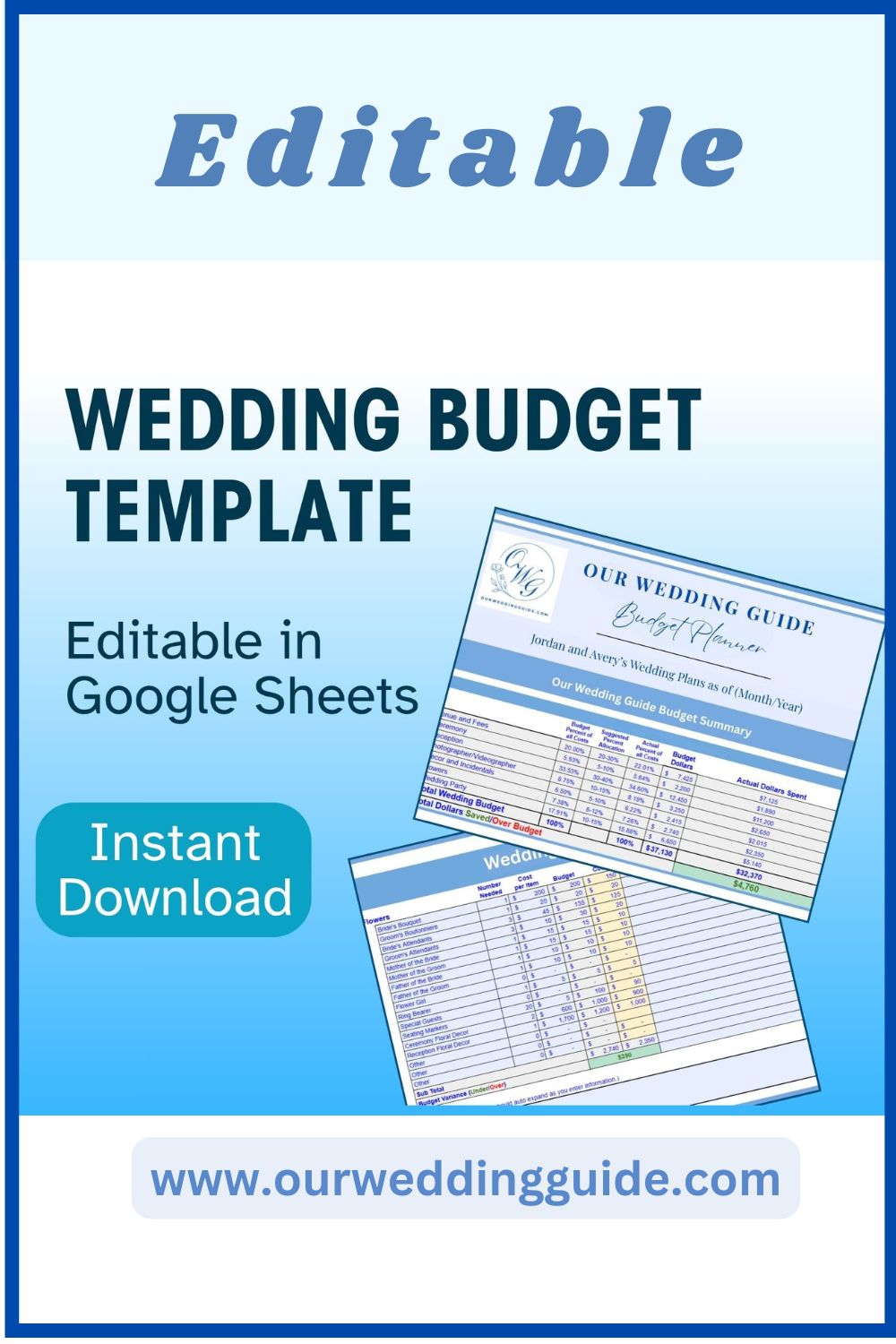
Start by considering your budget as the number of guests will increase the cost of food, invitations, thank-you notes, guest favors, and other details. More guests also increase the potential number of wedding gifts, however, this is not a good reason to invite a large number of family and friends.
Once you have a clear starting point, staying organized becomes much easier.
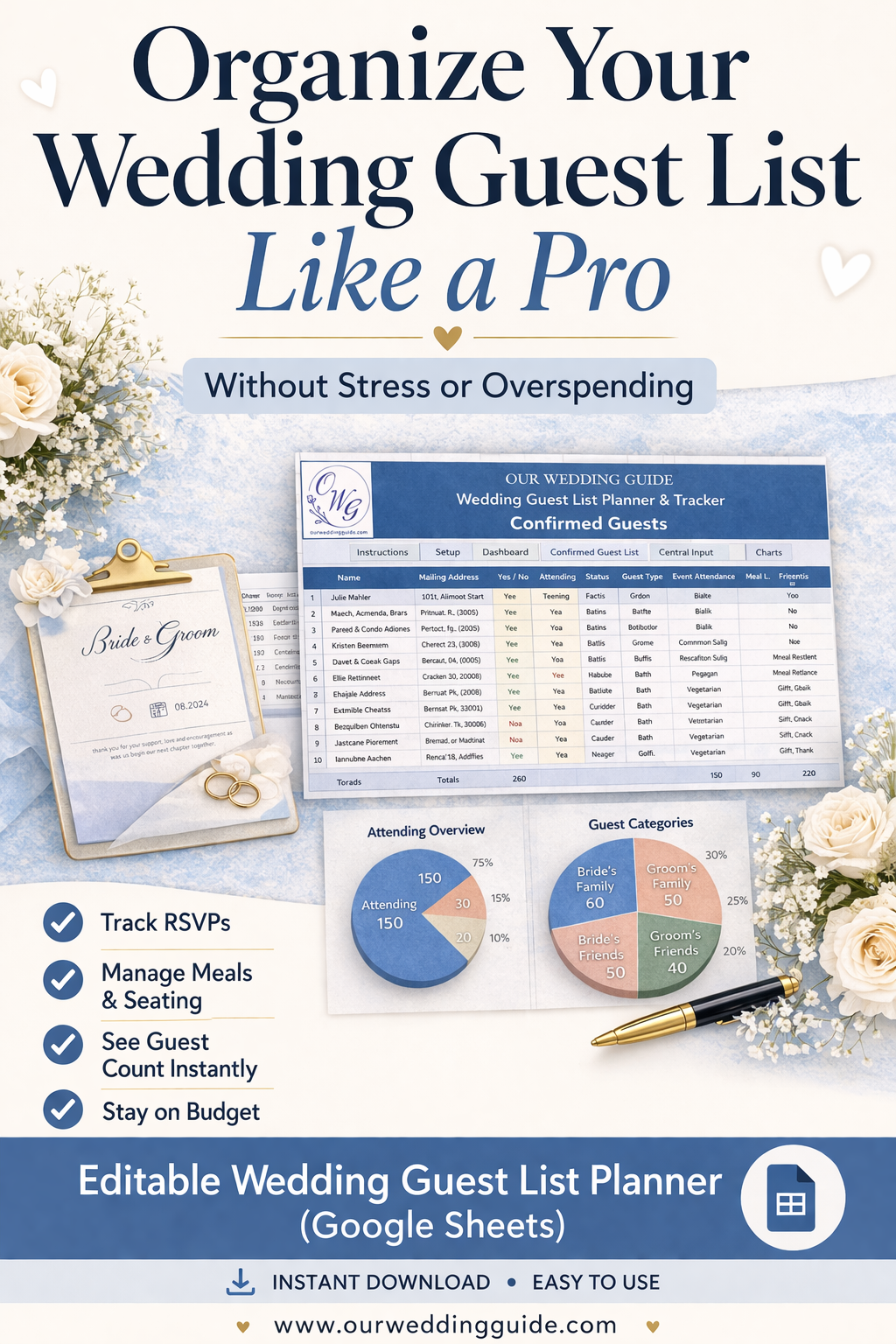
That’s where a Wedding Guest List Planner & Tracker can help you manage your guest details, RSVPs, and seating arrangements in one place.
Who to Invite First: Start with Your Inner Circle
At the top of your guest list should be each member of your wedding party and their significant other. Extending an invitation to significant others is essential. Your wedding is an important event for your closest family members and friends who will be directly involved in your celebration. Each member of your wedding party will also want to share their experience of this special day with those they love.

There are obvious limitations to how much time members of your wedding party will be able to spend with their significant other on your wedding day.
One way of acknowledging the special place that the significant others have as a group is to designate a table at the wedding reception for these folks to all sit together.
As they all have a direct relationship with some member of the wedding party, being together at the wedding reception will create an opportunity for them to feel included and share their highlights of the day.
Evaluating Relationship Proximity
Start by using the "coffee test" to check your connection with people. If you can't see yourself having coffee with someone, they might not be a top choice. These wedding guest list tips help you focus on those who have supported you as a couple.
Consider when you last spoke to someone. If it's been over a year, it's okay to not invite them. Choose those who make your life happier.
The Reality of Budget and Venue Capacity
Practical things like budget and venue size also shape your guest list. Your wedding invite selection must fit your budget and venue size. Knowing your space's limits makes managing your list easier.
Don't feel obligated to invite everyone. Staying within your budget shows you're planning wisely, not that you don't value your friends. Focus on a few close friends for a more intimate and memorable day.
How to Handle Wedding Guest List Expectations

It is a compliment to you when family and friends hope to be invited to your wedding. It is also a compliment when family and friends have strong feelings about wanting specific individuals to be included.
The opinions of others are important to consider as these suggestions may bring to mind factors that you might otherwise overlook. Listen to each suggestion. Consider why it would be best to expand the invitation list, and how this may complicate or over-extend the budget and venue capacity.
Be relaxed, and gracious about such input, because the decision is yours. Of course, if you are not paying, you need to give more flexibility if it is the payer who insists on extending an invitation beyond what you may prefer.

Take your time in communicating your decision.
Time changes how people feel, even when they are initially passionate about something, and you too, over time, may change your mind about who you want to invite.
Take your time before finalizing your guest list.
When sufficient time has passed, and you need to finalize the invitation list, make sure you share your decisions. Even when we hear news that disappoints us, we are still grateful that someone took the time, and cared enough to share the decision.

Make decisions together as a couple.
Set Clear Wedding Guest List Guidelines (With Flexibility)
It is helpful to establish a few rules or perhaps guidelines when determining who will be included in your guest list. I like guidelines better because there will always be exceptions that you will want to make.
For example, including children and teens in the guest list is often a subject of debate. If we include one nephew or niece, one cousin over another, then what about the others?
You may be able to have a standard criteria, such as no children under the age of 12, but it may depend upon the strength of the relationship or other circumstances. What will you do about an infant in arms? Perhaps the mom is breastfeeding and insists on being close at hand to care for her baby.
Another guideline may be that you invite family first, meaning your brothers, sisters, aunts, uncles, and grandparents, and then friends of only the bride and groom. If there is remaining capacity, you could extend six invitations to be filled by each parent of the bride and groom.

What will you do about those relationships from the past or relationships that are specific to life's circumstances?
Friendships that have been formed through sports clubs, wine-tasting groups, college colleagues, and other common interest groups may give you pause.
There may be a personal preference and good reasons to do so, however, there is no obligation to invite neighbors, work associates, friends of friends, friends of the family, or past friends of long ago.
Of course, if a true friendship has evolved that surpasses the social element of the relationship, then by all means, extend the invitation.
A good wedding invite guide says invite only those who are married, engaged, or in a long-term partnership. You don't have to give a plus-one to every guest. Consistency is key; if you let one friend bring a date, do the same for others in similar situations.
It will be helpful to have your guidelines established in your mind. Doing so will enable you to easily articulate your rationale should you be asked about your decisions by friends and family.
Simple Ways to Decide Who to Invite to Your Wedding
Choosing who to invite doesn’t have to feel overwhelming. When you use a few simple decision-making approaches, it becomes much easier to stay aligned with your priorities, your budget, and the kind of experience you want to create.
Use a Decision Tree to Guide Your Choices
A simple way to approach your guest list is by asking clear, consistent questions.
For example:
- Are we actively part of each other’s lives?
- Would we naturally spend time together outside of major events?
- Does this relationship reflect who we are today?
This approach helps you make thoughtful, consistent decisions instead of reacting emotionally in the moment.
Try the “Last Seen” Test
Think about the last time you saw or spoke with this person.
If it has been several years, it may be worth reconsidering whether they need to be included. Prioritizing current, active relationships helps create a more meaningful and connected wedding experience.
Use the Dinner Party Rule
Imagine hosting a small dinner at your home.
Would you invite this person?
If the answer is no, it may be a sign that they don’t belong on your wedding guest list. This simple test helps clarify your true priorities.
Make Your Wedding Guest List Easy to Manage
Planning who to invite is only the first step. Keeping everything organized—from RSVPs to seating arrangements—can quickly become overwhelming without a system.
Before organizing your guest list, it helps to have a clear plan in place. Learn how to create a wedding guest list without stress or overspending so your decisions stay aligned from the start.
That’s why many couples use a Wedding Guest List Planner & Tracker to stay organized, reduce stress, and keep every detail in one place.
Practical Tips to Finalize Your Wedding Guest List
Start with a budget based on the cost per person for the reception. Once you know how much you have allocated for the reception, the cost per person divided into the reception budget will tell you how many family and friends can be on your wedding guest list without exceeding your budget. If your wedding guest list exceeds your budget, you have the choice of limiting the guest list, expanding your budget, or making other compromises.
Develop a list of all potential guests. Take into account family wishes and determine who MUST be included among the invitees.
Begin to narrow the list. You may want to determine if it is easiest to build in decision-making consistency. For example, determine if cousins, work colleagues, friends of parents, children, etc. will, as a rule, not be included in the guest list.