Flowers for Your Wedding: Five Essential Tips
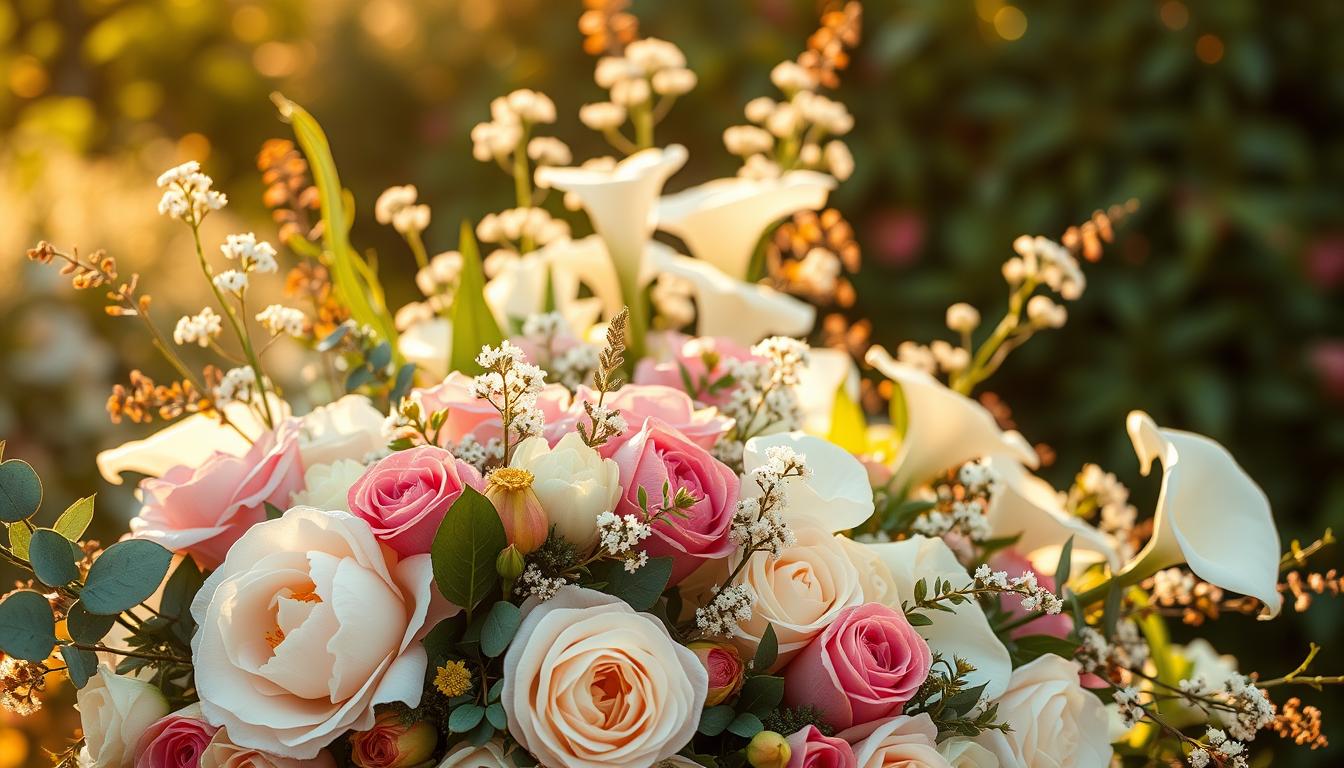
Your wedding day is a celebration of love and joy, and the right flowers can make it even more unforgettable. Choosing the perfect wedding flowers will create a breathtaking atmosphere that reflects your personal style and makes your guests feel special.
Beautiful wedding flowers set the tone for your entire celebration. Whether you're planning a casual outdoor gathering or a formal indoor affair, the right floral arrangements can elevate your wedding to the next level. In this article, we'll share five essential tips to help you choose the perfect flowers for your special day.
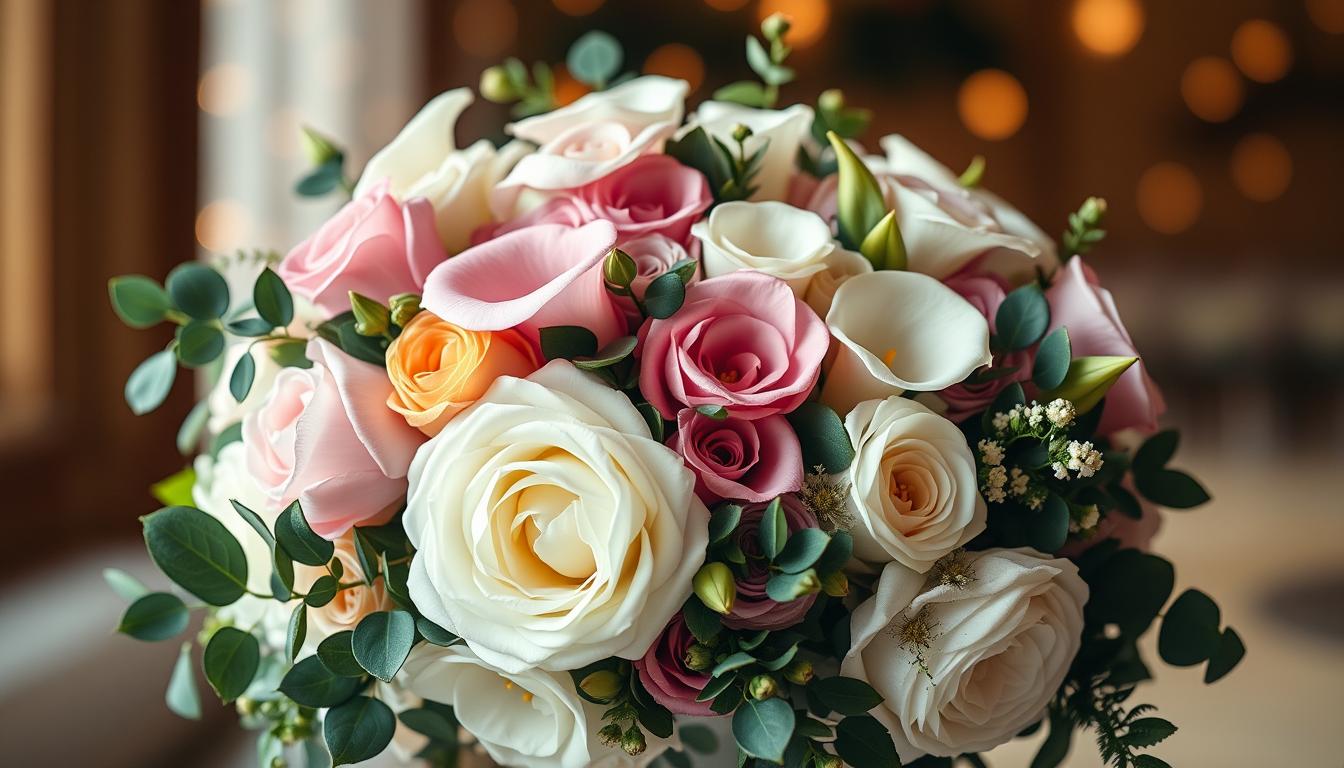
Beautiful wedding flowers set the tone for your entire celebration. Whether you're planning a casual outdoor gathering or a formal indoor affair, the right floral arrangements can elevate your wedding to the next level. In this article, we'll share five essential tips to help you choose the perfect flowers for your special day.
1. Start with Your Vision and Venue
Before meeting with a florist, decide on the overall theme and mood you want—romantic, modern, rustic, bohemian, etc. (Bohemian means those who choose an unconventional, artistic, and non-conformist life, rejecting mainstream social norms and materialism.)
Collect photos or create inspiration boards. Consider venues that match the look and feel that draw your attention. Settings that attract you will have their own natural aesthetic: grand ballrooms, barns, and gardens all need different floral styles and scale. For instance, a rustic outdoor wedding might call for wildflowers, rosemary, daisies, sunflowers, and greenery, while a luxurious indoor ceremony might require more elegant arrangements of roses, hydrangeas, tulips, and irises in spring.
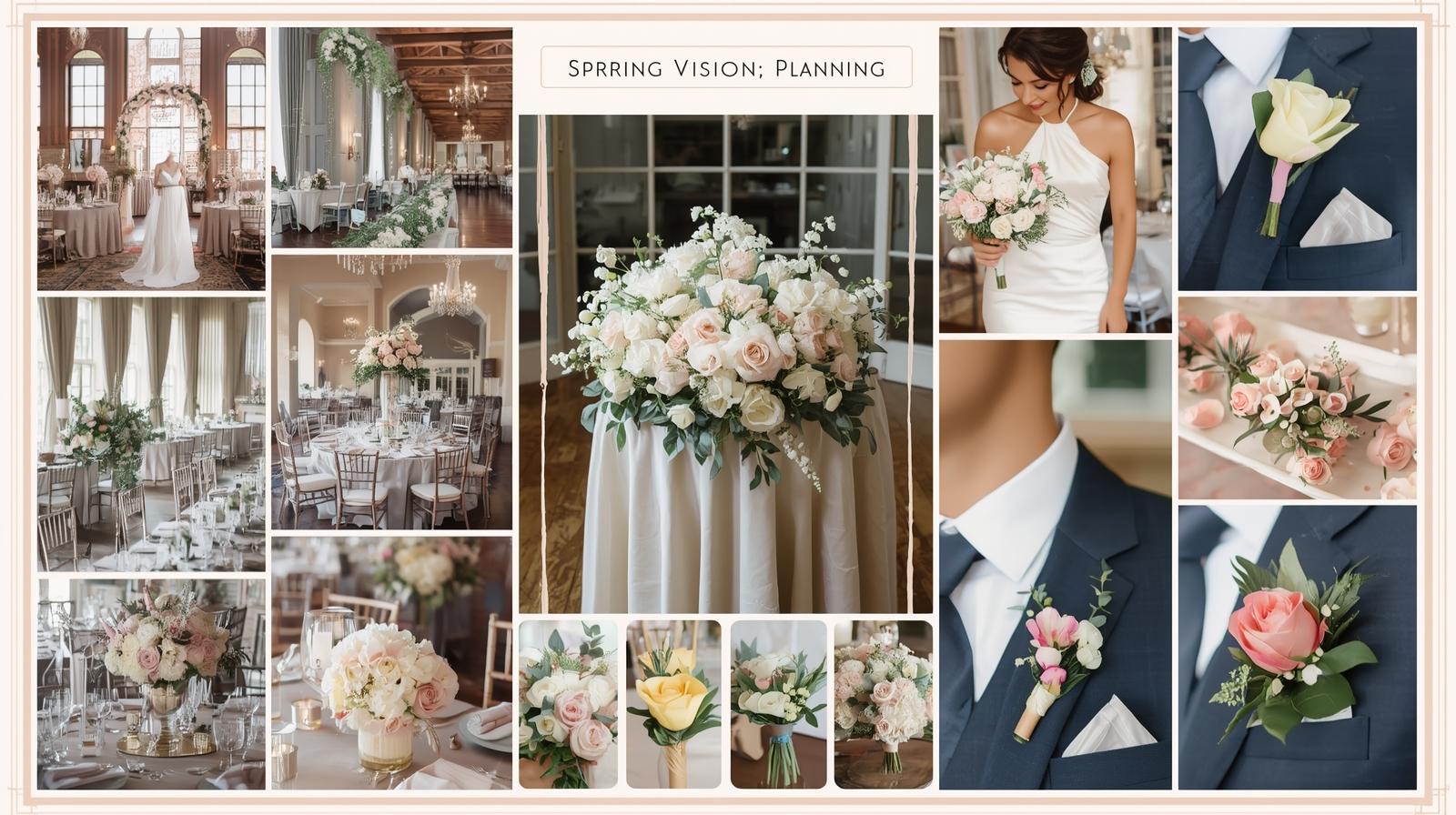
Aligning your floral design with your wedding vision and venue is crucial. You get the maximum benefit from your wedding flowers when they complement the overall ambiance and style of your event.
For more casual weddings, add a modern twist by incorporating textures and shapes. Bows made of pieces of burlap, tiny boxes covered in burlap or brown paper adorned with binder twine, and scrap pieces of fabric as a loosely placed garland or ribbon cascading through your floral arrangements create interest. These additions also lower the cost if you make them yourself because they fill space in the floral arrangement, requiring fewer expensive flowers.
The same idea holds for more formal settings using lace, sheer or satin fabrics, and netting. Small ring boxes, miniature toasting glasses, toy glass slippers for that Cinderella theme, or any tiny object that reflects your hobby and interests can be fun and artful in floral arrangements.
My mother and father were florists. I remember them using wire and pipe cleaners to fasten large gummy candies, miniature chocolate bars, and small bags of tasty treats, integrating them into customized floral arrangements.
There are some floral arrangements that stand out significantly and impact the overall wedding atmosphere, making them worth the splurge. For instance, the ceremony backdrop, bridal bouquet, and centerpieces are focal points that can elevate the wedding decor. Investing in high-quality flowers and designs for these areas will give you a sense of warmth and completeness. Flowers have a way of changing everything. They have a voice all their own and put the finishing touches on any party.
2. Seasonal Blooms
Choosing flowers that are in season will make them more readily available and potentially less expensive. It is very difficult to find irises and daffodils in December. Conversely, poinsettias in December, and white lilies in March/April will be in abundance. Seasonal celebrations can also affect the cost of flowers. Although you can buy roses year-round, their price doubles around Valentine's Day.
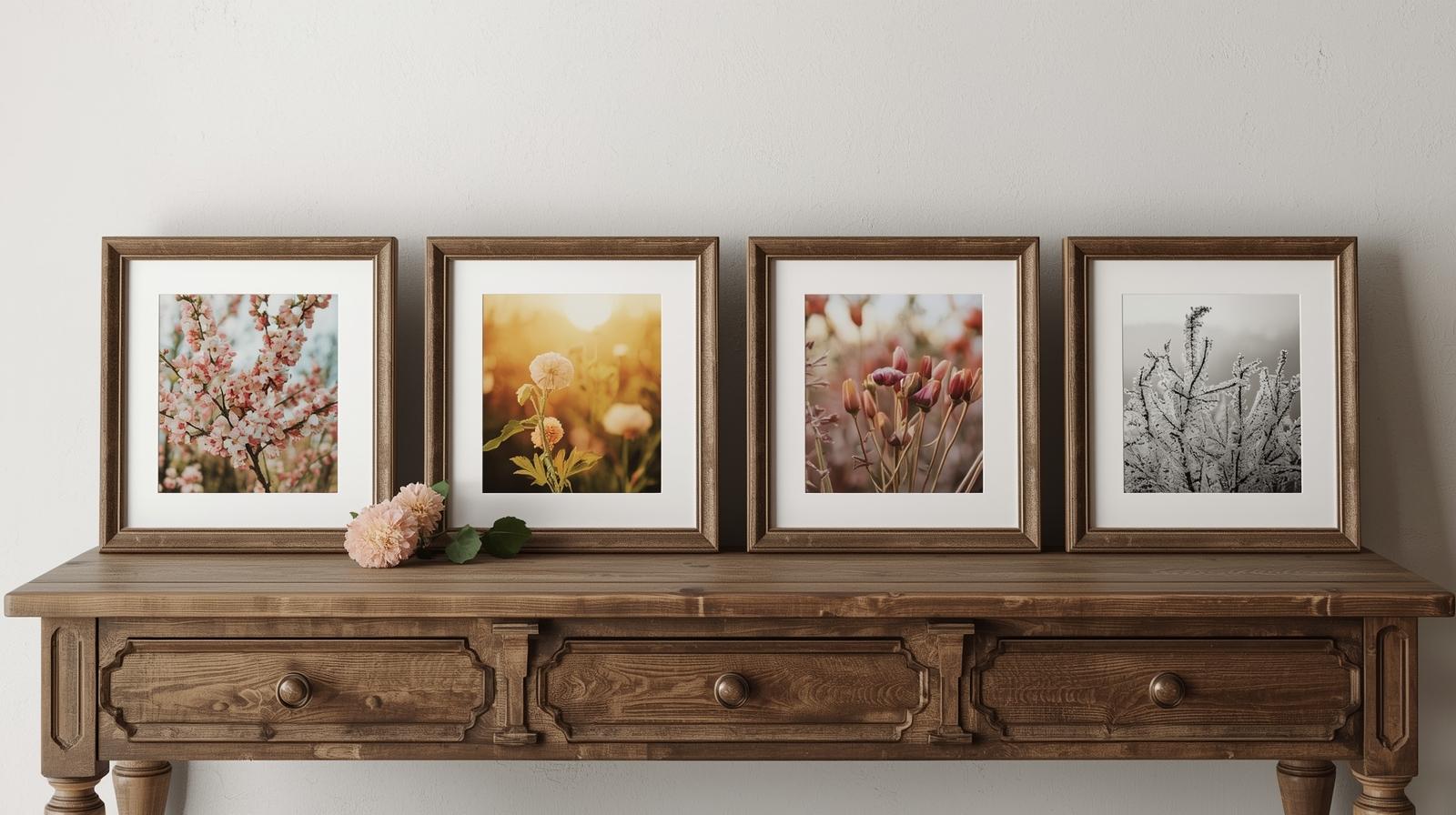
Spring offers tulips and daffodils, peonies and roses in late spring and early summer, and sunflowers and dahlias in mid to late summer.
Fall and winter offer a different but equally beautiful array of flowers. Chrysanthemums and asters are typical fall flowers, with amaranth and berries for added texture and color. For winter weddings, look to eucalyptus, holly, and poinsettias for a dramatic effect.
January through March is typically the most expensive time for wedding flowers. July through September will be your lowest-cost option. Seasonal flowers may also complement your color palette if you are choosing a scheme consistent with the season.
If your seasonal wedding coincides with recognized holidays, such as July 4 in the United States, and dates close to religious observances like Easter, delivery schedules can become more complicated.
3. Prioritize Key Arrangements
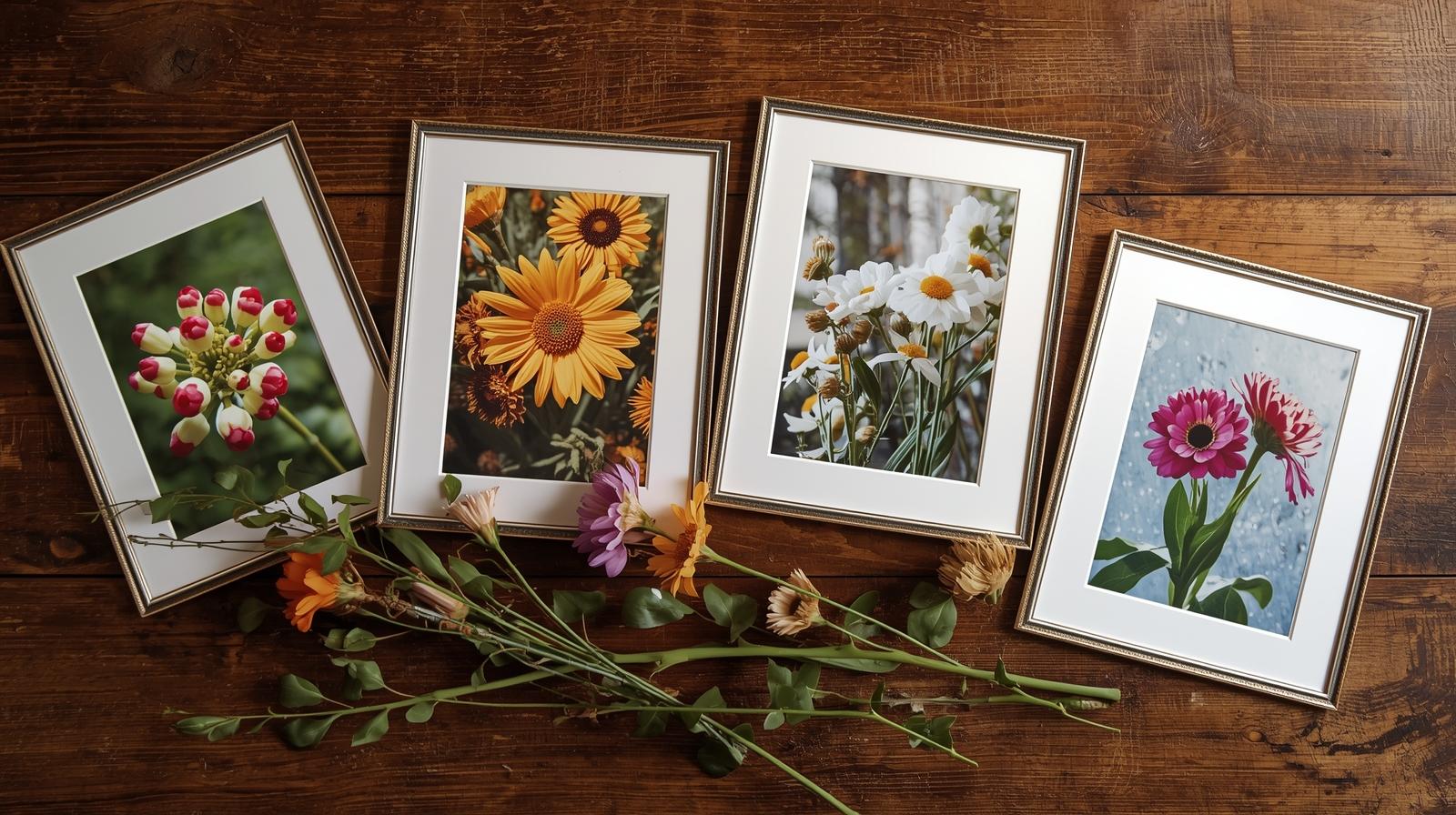
If you’re on a budget, invest in the florals that will make the biggest impact—your bridal bouquet, ceremony backdrop, and reception centerpieces. You can repurpose ceremony flowers at the reception to stretch your floral budget without sacrificing beauty.
The following three lists show where flowers are used at weddings. Review the list and prioritize your selections according to your personal needs and desires in order to stay within your budget.
Wedding Party Flowers
- Bridal bouquet
- Bridesmaids bouquets
- boutonnieres
- Corsages
- Flower girl bouquet
- Alternate flowers for the traditional bouquet toss
- Floral hair accessories

Ceremony Flowers
- Aisle markers
- Aisle runner
- Symbolic flowers
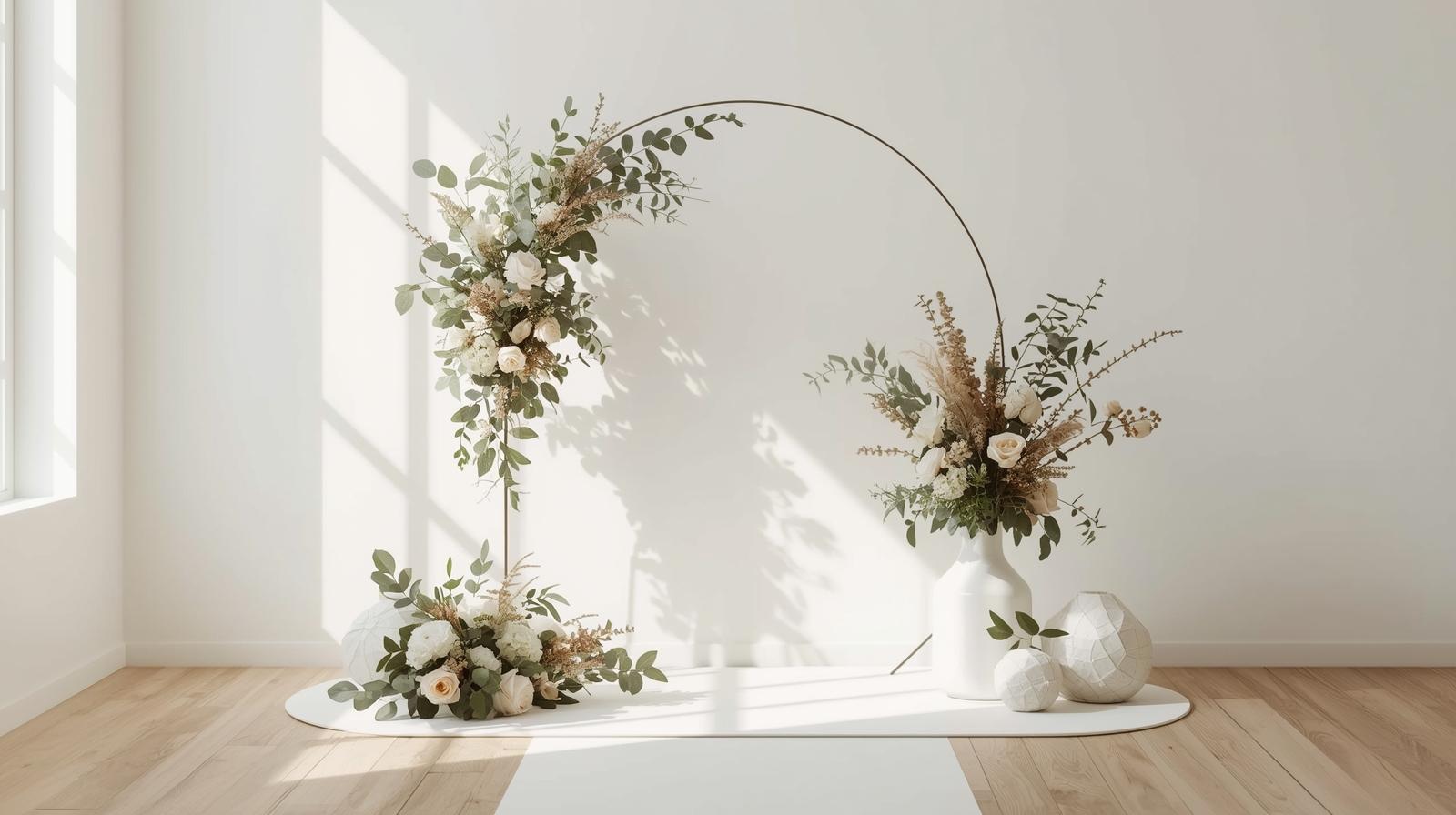
- Ceremony arch, garlands, accents, and venue displays
- Petal scattering for the aisle
Reception Flowers
- Centerpieces
- Bar decor
- Desert table decor
- Displays for the seating chart, wedding cards, special feature tables
- Chair swags
- Wedding cake flowers

4. Considering Your Budget
While some floral arrangements are worth investing in, there are areas where you can save without compromising on aesthetics. Consider using seasonal flowers, simplifying your arrangements, and repurposing ceremony flowers for the reception. These strategies can help reduce costs while maintaining a beautiful and cohesive look.
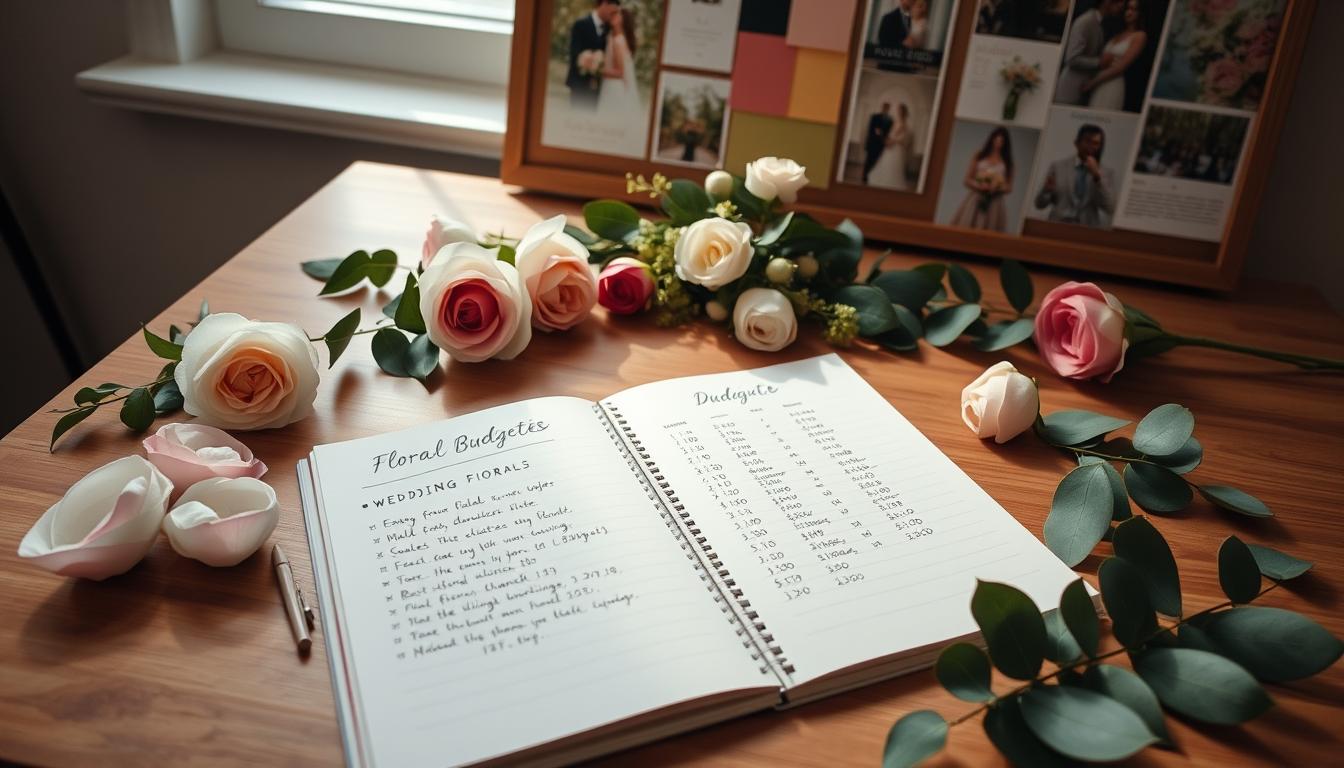
Using a combination of DIY floral arrangements and hiring a professional can save hundreds of dollars. It depends on your budget, time, creative nature, and expertise. Here are some considerations to help you make the right choice.
Creating your own tablescapes will result in big savings. Simplistic designs, smaller displays, and potted plants in attractive containers found at thrift shops are more ways to cut down on expenses.
Hiring a professional florist can ease stress and ensure that your wedding flowers are exquisite. Professionals have the expertise to create complex designs and manage logistics. The right florist will work within your budget and still provide you with what you are looking to create. If you're looking for intricate or custom arrangements, it's best to hire a professional.

Sourcing your flowers locally, or growing your own if you start early enough in the season, are other ways of managing your floral budget. Using a combination of silk and / or artificial flowers is an option. Fresh flowers are perishable, which makes them precious. They will also fade in the coming days. Balance your spending with wedding accessories that are precious, such as flowers, and those that are lasting, such as photographs.
Repurpose your ceremony flowers for the reception. This not only reduces waste but also ensures that your beautiful floral arrangements continue to be enjoyed throughout your wedding day. Simple changes, like rearranging the flowers or adding new elements, can give your ceremony flowers a fresh look for the reception.
Finally, consider donating your wedding flowers after the event. Many hospitals, nursing homes, and charities welcome flower donations, bringing joy to those who receive them. This act of thoughtfulness shares the celebration of your wedding with others.
5. Trust Your Florist’s Expertise
Shop around for a florist that will honor your budget, listen to your ideas, and offer important suggestions. It is always good to compare prices and floral options.
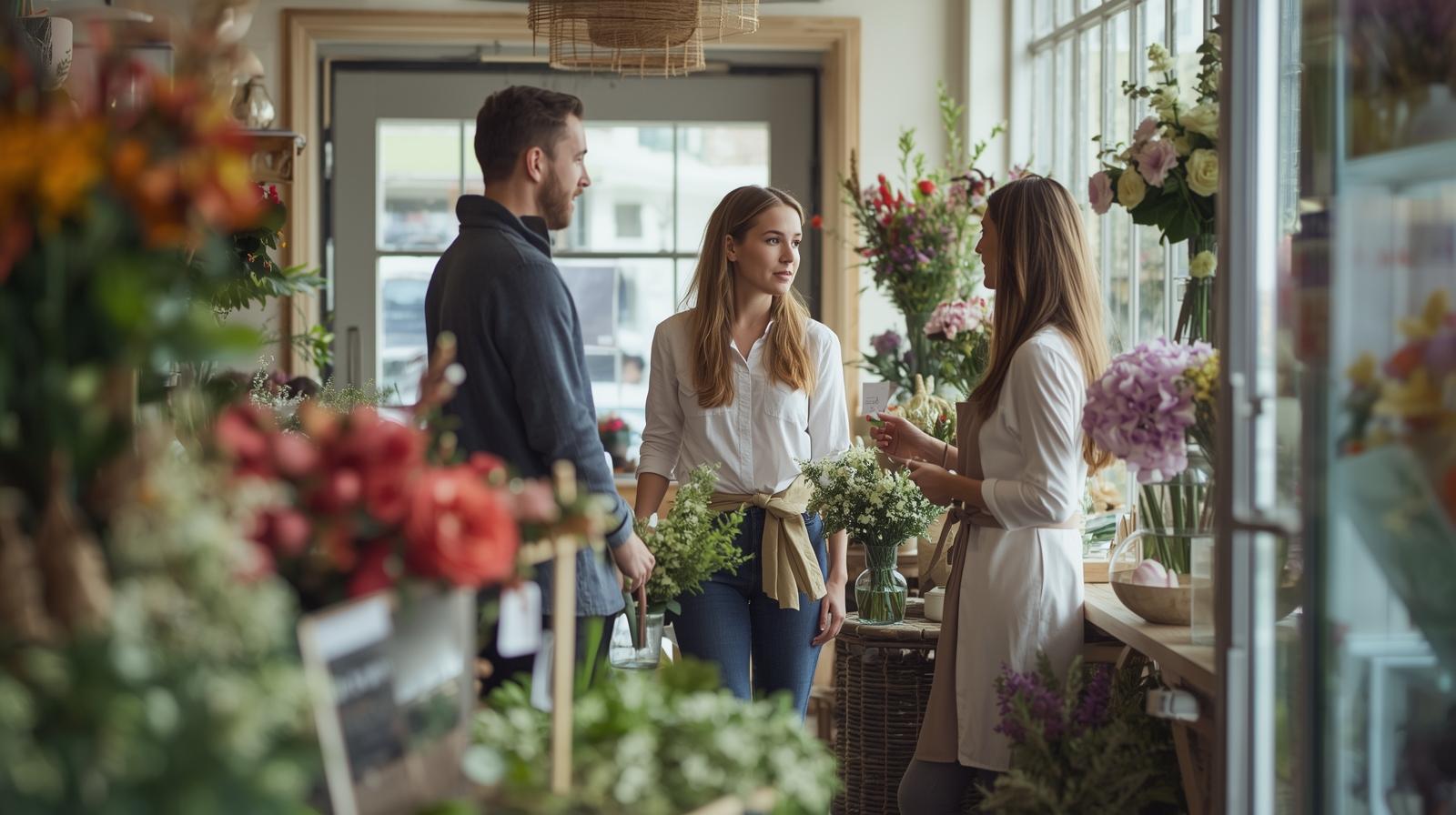
A professional florist understands what blooms will last, what works within your budget, and how to achieve your desired look. Share your ideas openly and allow them creative freedom—your florist may suggest alternatives you hadn’t considered that enhance your theme.
Your wedding florist brings a wealth of knowledge and experience to the table, helping you navigate the vast world of flowers, colors, and designs to create a look that's both beautiful and cohesive with your wedding vision.
While it's essential to communicate your vision clearly, it's equally important to know when to trust your florist's professional guidance. Your florist has the training and experience to know what works well together, what's available in season, and how to create arrangements that will last throughout your wedding day.
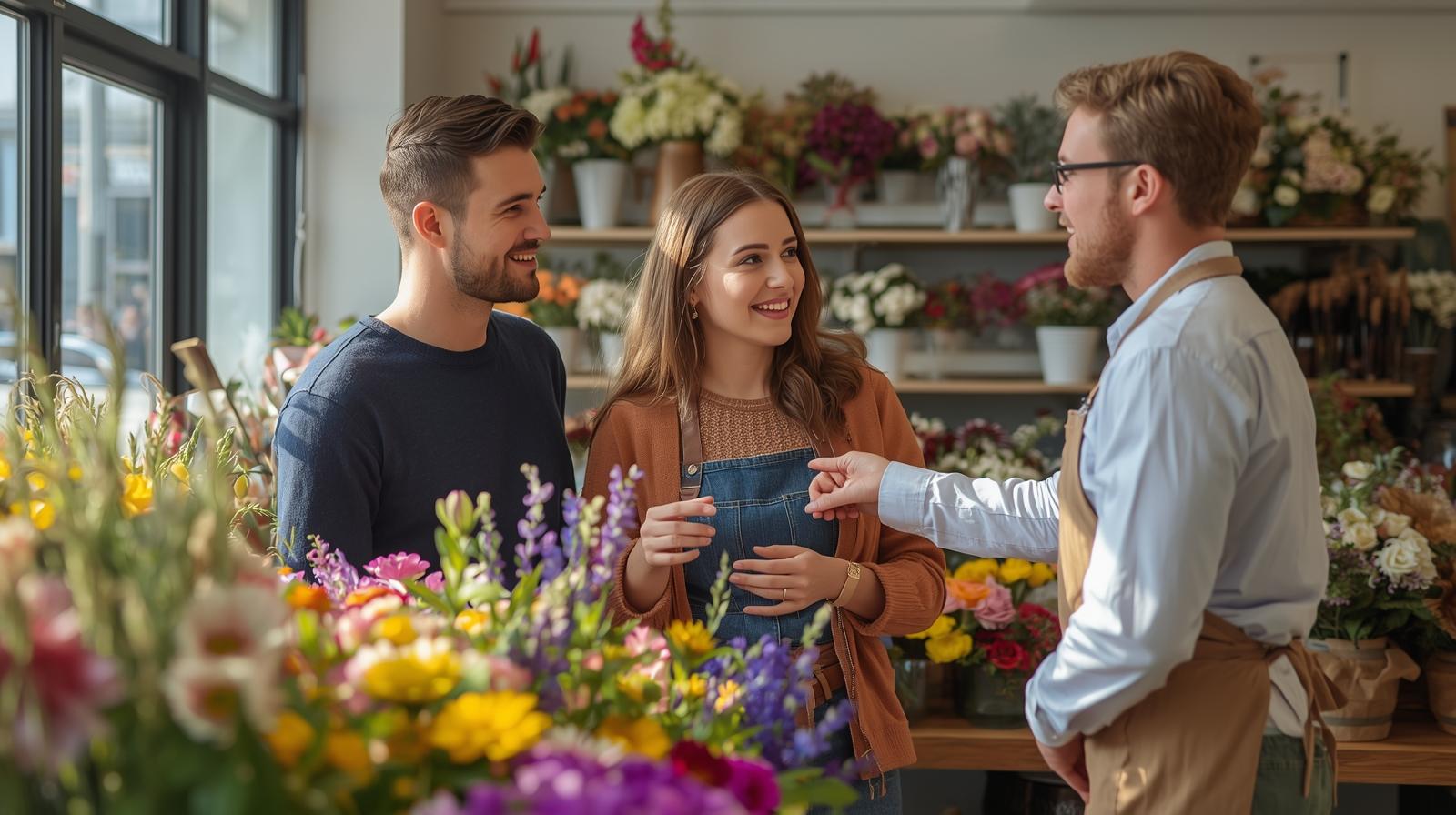
This partnership allows you to share your ideas, understand their expert suggestions, and work together to create floral arrangements that meet and exceed your expectations. A skilled florist listens to your needs, offers expert wedding floral advice, and guides you, ensuring complete satisfaction with the outcome.
In Conclusion
Follow these five essential tips outlined in this article. You'll be well on your way to achieving beautiful wedding florals that reflect your personal style and wedding vision.