Wedding Guest List Checklist: Step-by-Step Guide
Introduction
This step-by-step wedding guest list checklist will walk you through the entire process of how to organize your guest list, decide who to invite, and stay within your budget.
👉 If you want a deeper understanding of how guest lists shape your entire wedding, read the full guide on how to create a wedding guest list.
Step-by-Step Wedding Guest List Checklist

Step 1: Start with a Master List (No Filters Yet)
Begin by writing down everyone you could possibly invite.
Do not limit yourself at this stage.
Include:
- Family (immediate and extended)
- Friends (close and casual)
- Coworkers
- Family friends
- Social connections
👉 The goal is to capture everything before making decisions.
Step 2: Separate Guests into Categories
Most couples aim for roughly equal representation from both sides. Review your categories to ensure a balance between your guests and your partner's guests.
This helps you:
- Visualize balance
- Spot over-inviting in certain areas
- Make decisions more objectively
|
Bride's Side Example
|
Groom's Side Example
|
Step 3: Estimate Your Ideal Guest Count
Before refining your list, decide:
👉 How many guests do we actually want?
This decision should reflect:
- Your vision (large vs intimate)
- Your venue constraints
- Your budget priorities
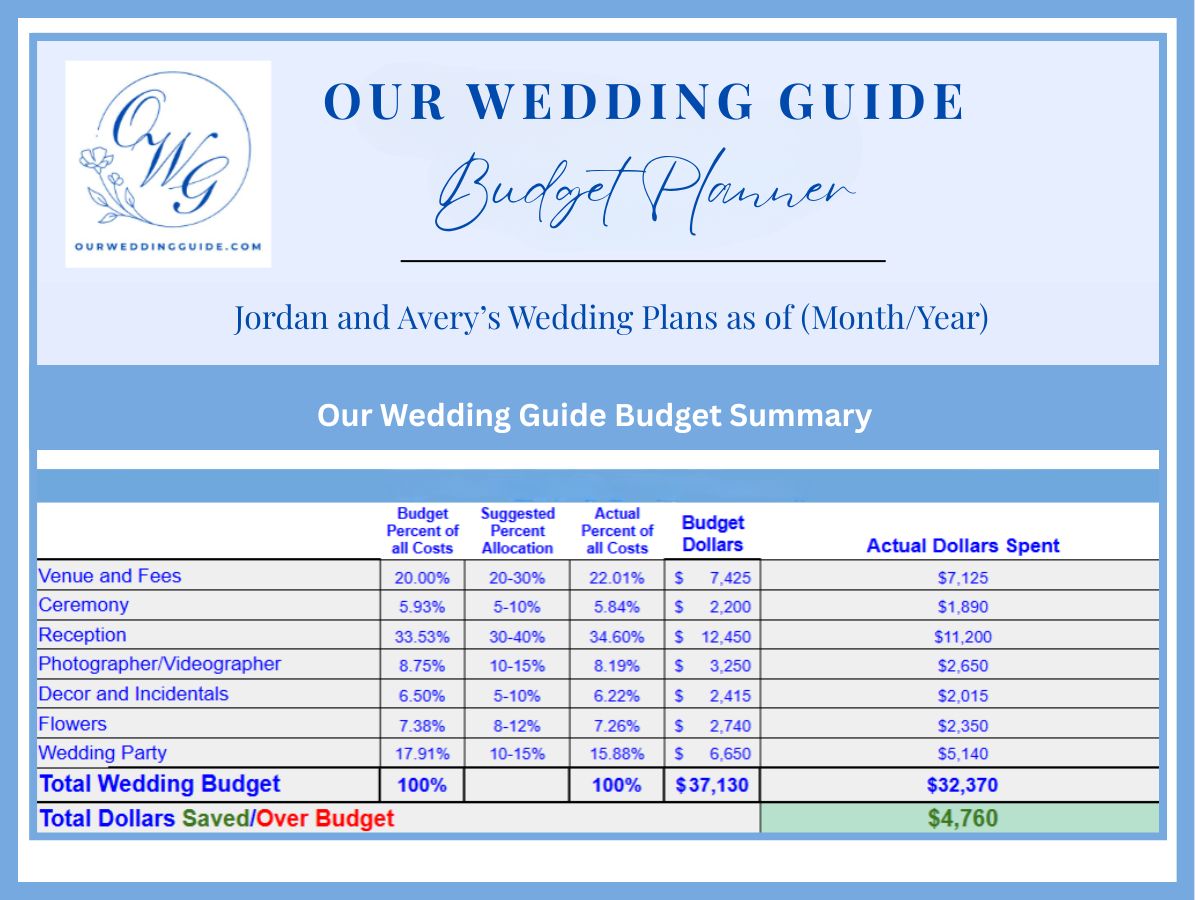
Step 4: Align Your Guest List with Your Budget
This is where reality meets planning.
Every guest adds cost across multiple areas:
- Catering
- Rentals
- Invitations
- Favors
- Staffing
👉 If you haven’t already, learn how to plan a wedding budget without overspending before finalizing your list.
Step 5: Decide on Plus-Ones and Children
Set clear rules early to avoid confusion later.
The Plus-One Rule: Many couples allow plus-ones only for married, engaged, or long-term cohabiting couples. Single guests who don't know other attendees might also receive plus-ones for comfort.
The Kids Question: Decide whether children attend your wedding. An adults-only wedding immediately reduces your guest count. If you include children, determine the age cutoff. Some couples invite only immediate family children or those in the wedding party.
Common approaches:
- Plus-ones only for married/engaged couples
- No plus-ones for casual relationships
- Adults-only wedding
👉 Consistency is key to avoiding awkward situations.
Click on: How to Create You wedding Wedding Guest List Without Stress. It has a great section on how to manage expectations, setting guidelines for your guest list, and the importance of wedding party significant others.

Step 6: Review and Refine Your List
Now begin trimming your list thoughtfully.
Ask:
- Does this person play a meaningful role in our lives?
- Will they contribute to the experience we want to create?
Consider the B-List Approach: Create a secondary guest list of people you'd invite if space becomes available. Send these invitations after receiving regrets from your A-list guests. Time this carefully to avoid obvious tiering that might offend.
👉 This is where your wedding becomes intentional.
Step 7: Finalize Your Guest List
Once your number aligns with your budget and vision:
- Lock your list
- Confirm spelling of names
- Gather contact details
You are now ready to move forward with invitations.
Step 8: Track RSVPs and Guest Details
This is where most couples start to feel overwhelmed.
You’ll need to track:
- RSVP responses
- Meal selections
- Dietary restrictions
- Plus-ones
- Seating arrangements
👉 Without a system, things quickly become disorganized.
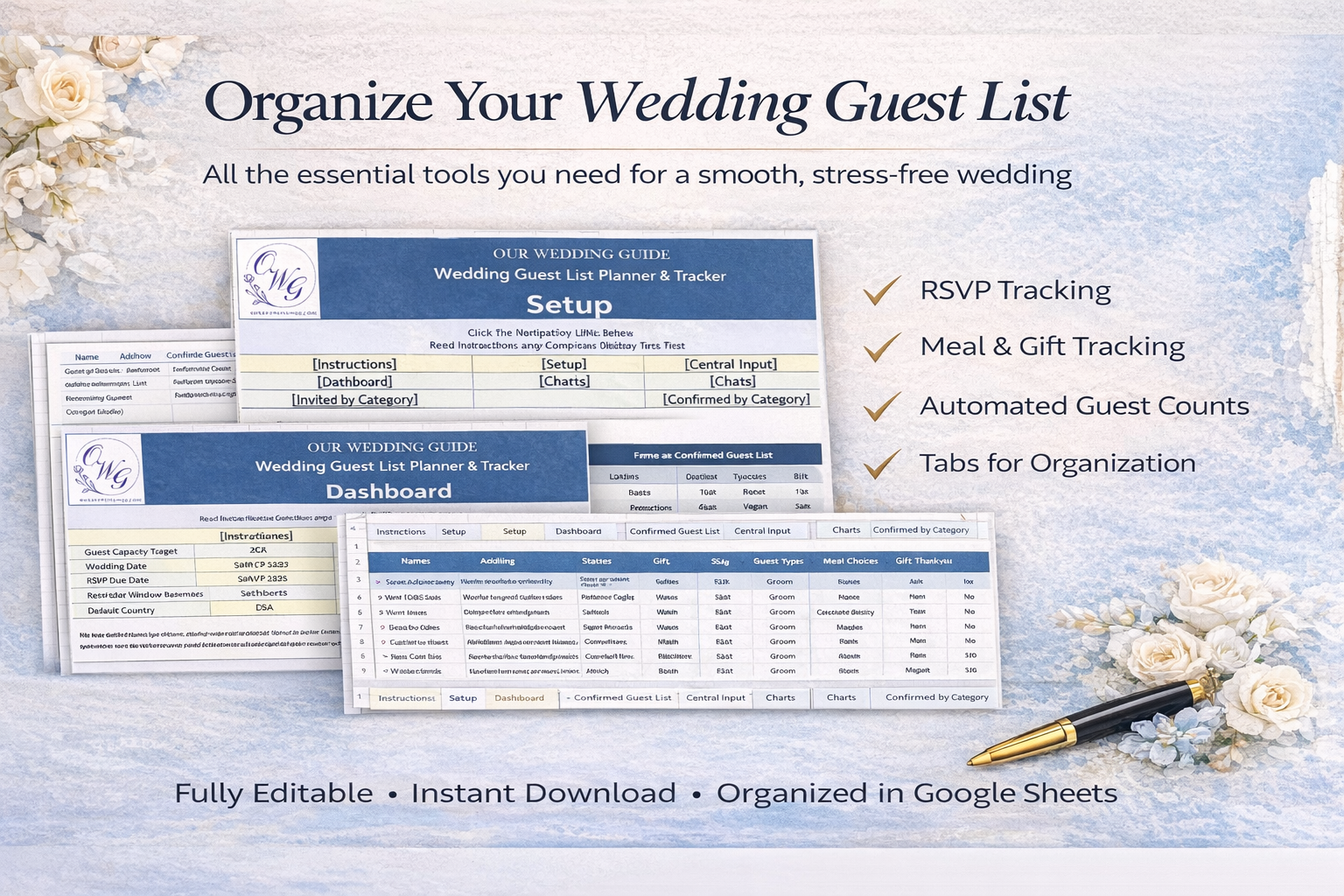
The Simplest Way to Manage Your Wedding Guest List
At some point, every couple realizes the same thing—
Managing a guest list manually becomes overwhelming fast.
A structured system helps you:
- Keep all guest information in one place
- Track RSVPs without confusion
- Manage plus-ones easily
- Stay organized from start to finish
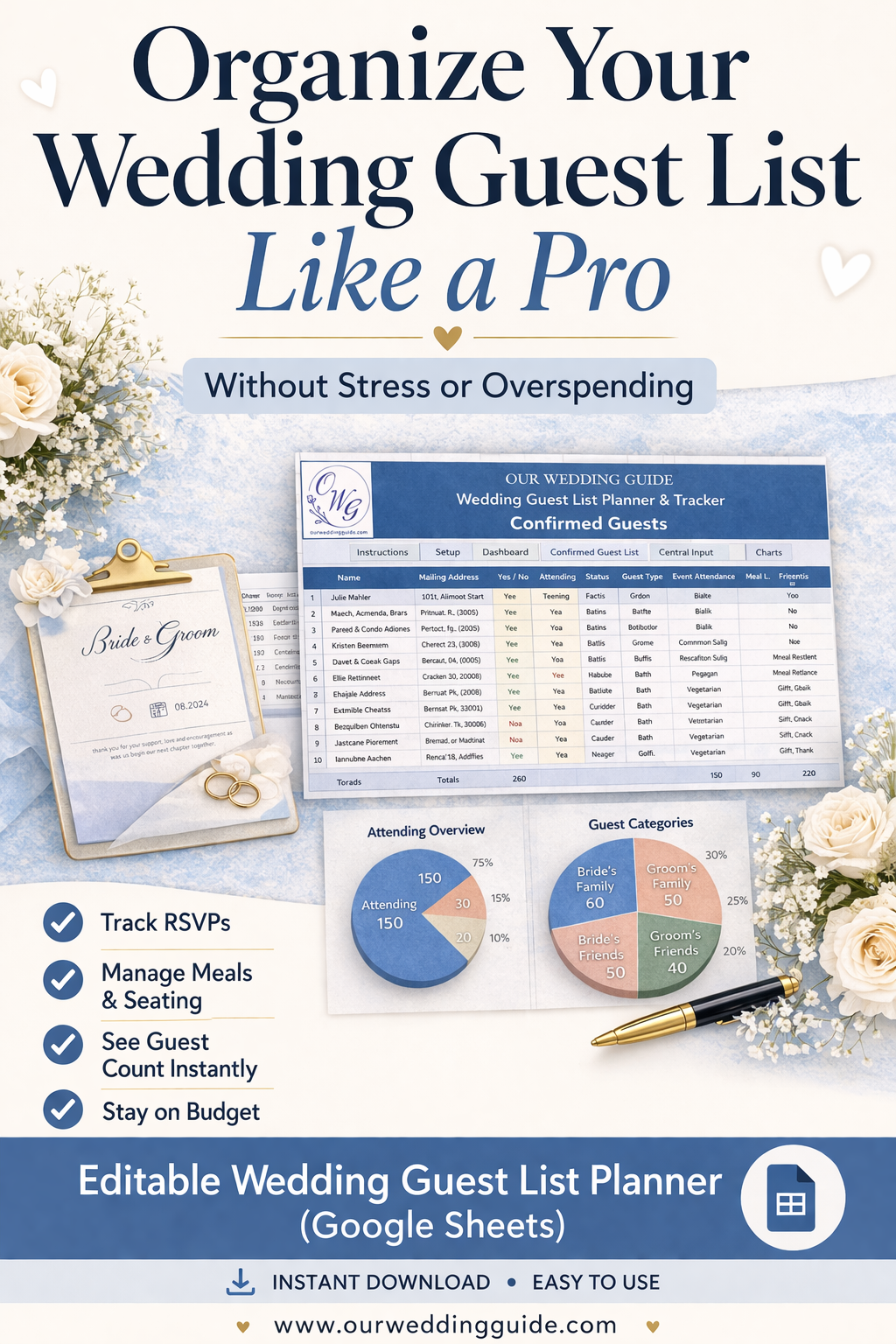
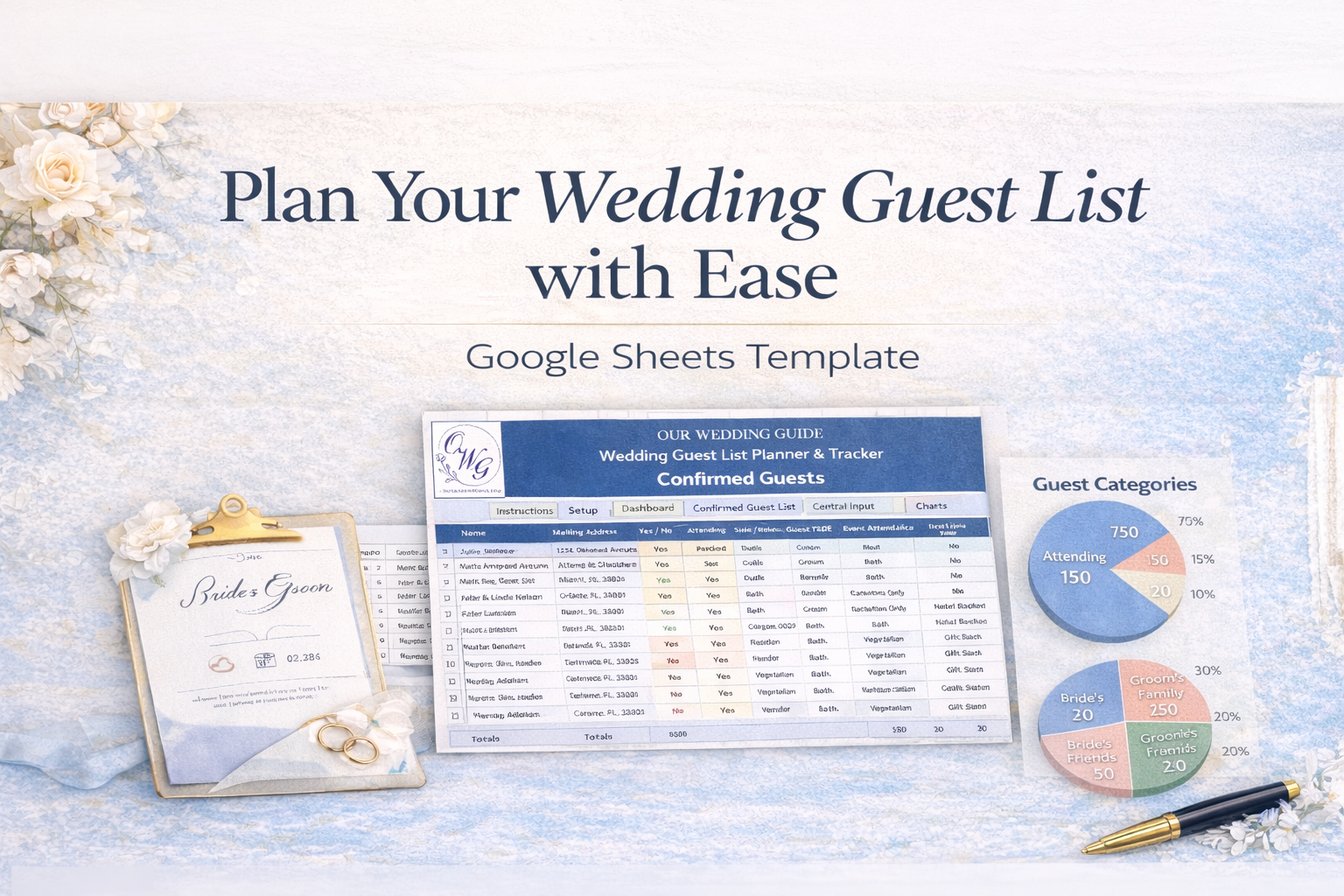
👉 If you want a simple, ready-to-use system, the Wedding Guest List Planner & Tracker was designed to make this process easy and stress-free.
Common Wedding Guest List Mistakes to Avoid
Avoid these common pitfalls:
- Inviting too many people too early
- Inviting people out of obligation
- Not setting a clear guest count goal
- Ignoring the budget impact
- Tracking RSVPs in multiple places
- Waiting too long to organize guest details
👉 Small mistakes early can create big stress later.

Even well-organized couples make predictable mistakes when creating their wedding guest list. Learning from others' experiences helps you avoid these common pitfalls.
Understanding where couples typically struggle allows you to plan proactively. These mistakes cause budget overruns, hurt feelings, and unnecessary stress during what should be an exciting time.
Mistake 1: Not Setting Clear Criteria Early
Couples who don't establish guest list rules upfront make inconsistent decisions. You might invite one coworker but not another, creating awkward office situations. Or you include second cousins on one side but not the other, causing family tension.
Establish your plus-one policy, child attendance rules, and category limits before sharing your list with anyone. Document these decisions so you can reference them when questions arise.
Mistake 2: Letting Others Control Your Guest List
Parents often want to invite their friends, especially if they're contributing financially. While their input matters, this is your wedding. Letting others dictate your guest list leads to a celebration that doesn't feel like yours.
Solution: If parents insist on inviting their friends, allocate them a specific number of guest spots. They choose who fills those spots within your total capacity. This compromise respects their wishes while maintaining your control.
Mistake 3: Inviting People Out of Obligation
You don't owe anyone a wedding invitation. Inviting distant relatives you never see or coworkers you barely know wastes precious spots and budget. These obligation invites rarely enhance your celebration.
Apply the "would we celebrate their life events?" test. If you wouldn't attend their birthday party or milestone celebration, they probably don't need to be at your wedding.
Mistake 4: Assuming People Won't Attend
Some couples over-invite because they assume many guests will decline. This strategy backfires when more people accept than your venue holds. You're then forced to disinvite people or pay for a larger space.
Use realistic attendance estimates based on guest categories. Local family and close friends have high acceptance rates (85-95%). Distant acquaintances and out-of-town guests attend less frequently (60-70%). Plan accordingly rather than gambling on declines.
Mistake 5: Sending Invitations Too Late
Late invitations look like afterthoughts. B-list guests can tell when they're receiving late invites because A-list guests declined. This situation creates hurt feelings and awkward conversations.
If you must use a tiered invitation strategy, time it carefully. Send initial invites early enough that second-round invites still arrive within the normal invitation window. Most guests won't track exact timing if both waves fall within standard etiquette guidelines.
Mistake 6: Failing to Track Details Consistently
Missing dietary restrictions, forgetting which guests confirmed, or losing track of plus-one names creates chaos as your wedding approaches. These oversights result from inconsistent tracking systems.
- Choose one central system and use it exclusively for all guest information
- Update your guest list immediately when you receive new information
- Don't rely on memory for important details like meal preferences or accessibility needs
- Share your tracking system with your partner so both of you can make updates
- Back up your guest list data regularly to prevent loss
Mistake 7: Not Building in Buffer Time
Couples often underestimate how long guest list management takes. They don't allow enough time for RSVP collection, follow-ups, and seating chart creation. This creates unnecessary stress in the final weeks before the wedding.
Build generous timelines for each guest list phase. Send invitations earlier than required. Set RSVP deadlines with week of cushion before vendor final counts. Start your seating chart before all RSVPs arrive so you're not scrambling at the last minute.
Mistake 8: Ignoring Budget Impact
Every guest addition affects your bottom line. Couples sometimes add "just a few more people" without calculating the cost. Five additional guests at $200 per person adds $1,000 to your budget.
Run the numbers before making guest list additions. Decide whether those extra people are worth reducing other wedding elements or increasing your budget. Make informed trade-offs rather than emotional decisions.
Mistake 9: Poor Communication About Plus-Ones
Unclear plus-one communication causes confusion and conflict. Guests don't know if they can bring a date. Some assume they have a plus-one when you didn't intend to offer one.
Address envelopes clearly to show exactly who is invited. "Mr. John Smith and Guest" indicates a plus-one. "Mr. John Smith" means only that person is invited. Include this information on your wedding website FAQ section to prevent questions.
Mistake 10: Not Preparing for Awkward Questions
Someone will ask why they weren't invited or request an exception to your rules. Being caught off-guard leads to emotional responses you might regret.
Prepare polite, firm responses in advance. Practice saying them until they feel natural. Having rehearsed answers ready prevents you from making exceptions you'll later regret or saying something hurtful in the moment.
Wedding Guest List Etiquette Tips
Navigating expectations can be challenging.
Keep these principles in mind:
- Communicate clearly with family
- Set boundaries early
- Be fair and consistent
- Focus on your priorities as a couple
👉 Your wedding should reflect your values—not just obligations.
Final Thoughts
Your wedding guest list is more than a checklist—
It’s a reflection of your relationships, your priorities, and the experience you want to create.
By following a clear step-by-step process, you can move forward with confidence, stay within your budget, and actually enjoy the planning journey.
Continue Planning Your Wedding
For a deeper dive into guest list strategy and decision-making:
👉 Read the complete guide on how to create a wedding guest list without stress or overspending
To stay on budget:
👉 Explore how to plan a wedding budget without overspending